

Next YouTube Live Event (Dr. Jason Lisle)
Day(s)
:
Hour(s)
:
Minute(s)
:
Second(s)
Most Recent Articles

Metallicity: A Problem for Secular Cosmology
Hydrogen is the most abundant element in the universe. It is the lightest element, consisting of one proton encircled by one electron. About 91% of the atoms in the universe are hydrogen. Helium is the next most abundant. It is the second-lightest element, consisting of two protons and two neutrons in the nucleus, encircled by two electrons. Helium constitutes just under 9% of the atoms in the universe. All the remaining elements combined constitute less than 1%. Astronomers refer to these heavier elements as metals. In astronomy, a metal is any element with an atomic number higher than 2. Note that this is different from the definition used by chemists. In astronomy metals include elements like oxygen, nitrogen, and carbon. Metals pose a serious challenge for advocates of the big bang and secular models of galaxy evolution. But they are a feature and natural expectation of biblical creation.

Denying the Trinity – Part 2
We have been examining the claims of Liam, who denies the Trinity in general and who, in particular, denies that Jesus is God. This ultimately is not an intellectual exercise but a spiritual one. It is only by the power of the Holy Spirit that a person can declare with conviction that Jesus is Yahweh – the Lord. 1 Corinthians 12:3b states, “And no one can say, ‘Jesus is Lord,’ except by the Holy Spirit.” Furthermore, confessing Jesus as Lord is a requirement for salvation (Romans 10:9-13), for there is no Savior besides the one and only Yahweh (Isaiah 43:11). Therefore, if Jesus is not Yahweh, then neither can He be your Savior.
Denying the Trinity
Our feedback this week comes from someone we’ll call “Liam.” He rejects the Trinity and specifically rejects that Jesus is God and that the Holy Spirit is a Person of the triune God. The interesting thing about Liam’s response is that most of his arguments were already refuted in the very articles he’s criticizing. It always seems strange to me when a person responds to a refutation of their argument by simply repeating the argument. For example, there is the fallacy of claiming that the Holy Spirit isn’t a Person of the Trinity because in many instances only the Father and Son are mentioned in a greeting. That is the fallacy of the argument from silence as I demonstrated earlier. But there were a couple of new arguments that will be addressed here and in the next article.

The Nature of the Unbeliever
As Christians, we love people and desire for them to be saved. We pray for their salvation, we share the Gospel with them, and we urge them to repent of sin and trust in Christ. And we try to remove intellectual stumbling blocks. But many Christians often make a critical mistake: they assume that what the unbeliever says about himself and his beliefs is true. They assume that the unbeliever has correctly evaluated his own beliefs and has truthfully stated them. After all, who could know a person’s beliefs better than the person himself? The answer is God. The Lord knows the hearts of men better than they know themselves; this would have to be the case since God is all-knowing (Jeremiah 17:9-10). Furthermore, God has stated in His Word that unbelievers are self-deceived and do not truthfully report what is in their hearts. A failure to recognize this lies at the heart of many unbiblical approaches in defending the faith.

Climate Change
Is climate change real? If so, what is the cause? Is it caused by human activity? And can it be reversed? If so, should it be reversed? Many people have never stopped to consider these questions because they think they already know the answers to all of them. After all, we have been told that climate change is real, dangerous, caused by human activity, and that we should fight it by reducing our carbon footprint. But does science bear out such claims? Most importantly, what does the Bible teach on this topic?

Untwisting Scripture: Refuting Flat Earth Falsehoods – Part 6
In this series of articles, we’ve been refuting the numerous false claims that FSIPs [Flat/Stationary Interpretation Proponents] make about the Bible. These proponents cite several verses, alleging that these Scriptures indicate a flat and/or stationary earth. In this final article, we’ll address their citations of passages that incorporate the phrases “the pillars of the earth” (1 Sam 2:8; Job 9:6; 26:7; Ps 75:3), “the corners of the earth” (Isa 11:12; Ezk 7:2; Rev 7:1; 20:8), and “the circle of the earth” (Isa 40:22; Pr 8:22; Job 26:10).
Untwisting Scripture: Refuting Flat Earth Falsehoods – Part 5
In this series of articles, we’ve been addressing the most common prooftexts that FSIPs (Flat/Stationary Interpretation Proponents) cite to justify their allegation that the Bible depicts, indicates, or implies a flat and/or stationary earth. Genesis 1 is a passage...

Metallicity: A Problem for Secular Cosmology
Hydrogen is the most abundant element in the universe. It is the lightest element, consisting of one proton encircled by one electron. About 91% of the atoms in the universe are hydrogen. Helium is the next most abundant. It is the second-lightest element, consisting of two protons and two neutrons in the nucleus, encircled by two electrons. Helium constitutes just under 9% of the atoms in the universe. All the remaining elements combined constitute less than 1%. Astronomers refer to these heavier elements as metals. In astronomy, a metal is any element with an atomic number higher than 2. Note that this is different from the definition used by chemists. In astronomy metals include elements like oxygen, nitrogen, and carbon. Metals pose a serious challenge for advocates of the big bang and secular models of galaxy evolution. But they are a feature and natural expectation of biblical creation.
Denying the Trinity – Part 2
We have been examining the claims of Liam, who denies the Trinity in general and who, in particular, denies that Jesus is God. This ultimately is not an intellectual exercise but a spiritual one. It is only by the power of the Holy Spirit that a person can declare with conviction that Jesus is Yahweh – the Lord. 1 Corinthians 12:3b states, “And no one can say, ‘Jesus is Lord,’ except by the Holy Spirit.” Furthermore, confessing Jesus as Lord is a requirement for salvation (Romans 10:9-13), for there is no Savior besides the one and only Yahweh (Isaiah 43:11). Therefore, if Jesus is not Yahweh, then neither can He be your Savior.
Denying the Trinity
Our feedback this week comes from someone we’ll call “Liam.” He rejects the Trinity and specifically rejects that Jesus is God and that the Holy Spirit is a Person of the triune God. The interesting thing about Liam’s response is that most of his arguments were already refuted in the very articles he’s criticizing. It always seems strange to me when a person responds to a refutation of their argument by simply repeating the argument. For example, there is the fallacy of claiming that the Holy Spirit isn’t a Person of the Trinity because in many instances only the Father and Son are mentioned in a greeting. That is the fallacy of the argument from silence as I demonstrated earlier. But there were a couple of new arguments that will be addressed here and in the next article.

The Nature of the Unbeliever
As Christians, we love people and desire for them to be saved. We pray for their salvation, we share the Gospel with them, and we urge them to repent of sin and trust in Christ. And we try to remove intellectual stumbling blocks. But many Christians often make a critical mistake: they assume that what the unbeliever says about himself and his beliefs is true. They assume that the unbeliever has correctly evaluated his own beliefs and has truthfully stated them. After all, who could know a person’s beliefs better than the person himself? The answer is God. The Lord knows the hearts of men better than they know themselves; this would have to be the case since God is all-knowing (Jeremiah 17:9-10). Furthermore, God has stated in His Word that unbelievers are self-deceived and do not truthfully report what is in their hearts. A failure to recognize this lies at the heart of many unbiblical approaches in defending the faith.

Climate Change
Is climate change real? If so, what is the cause? Is it caused by human activity? And can it be reversed? If so, should it be reversed? Many people have never stopped to consider these questions because they think they already know the answers to all of them. After all, we have been told that climate change is real, dangerous, caused by human activity, and that we should fight it by reducing our carbon footprint. But does science bear out such claims? Most importantly, what does the Bible teach on this topic?

Untwisting Scripture: Refuting Flat Earth Falsehoods – Part 6
In this series of articles, we’ve been refuting the numerous false claims that FSIPs [Flat/Stationary Interpretation Proponents] make about the Bible. These proponents cite several verses, alleging that these Scriptures indicate a flat and/or stationary earth. In this final article, we’ll address their citations of passages that incorporate the phrases “the pillars of the earth” (1 Sam 2:8; Job 9:6; 26:7; Ps 75:3), “the corners of the earth” (Isa 11:12; Ezk 7:2; Rev 7:1; 20:8), and “the circle of the earth” (Isa 40:22; Pr 8:22; Job 26:10).
Untwisting Scripture: Refuting Flat Earth Falsehoods – Part 5
In this series of articles, we’ve been addressing the most common prooftexts that FSIPs (Flat/Stationary Interpretation Proponents) cite to justify their allegation that the Bible depicts, indicates, or implies a flat and/or stationary earth. Genesis 1 is a passage...
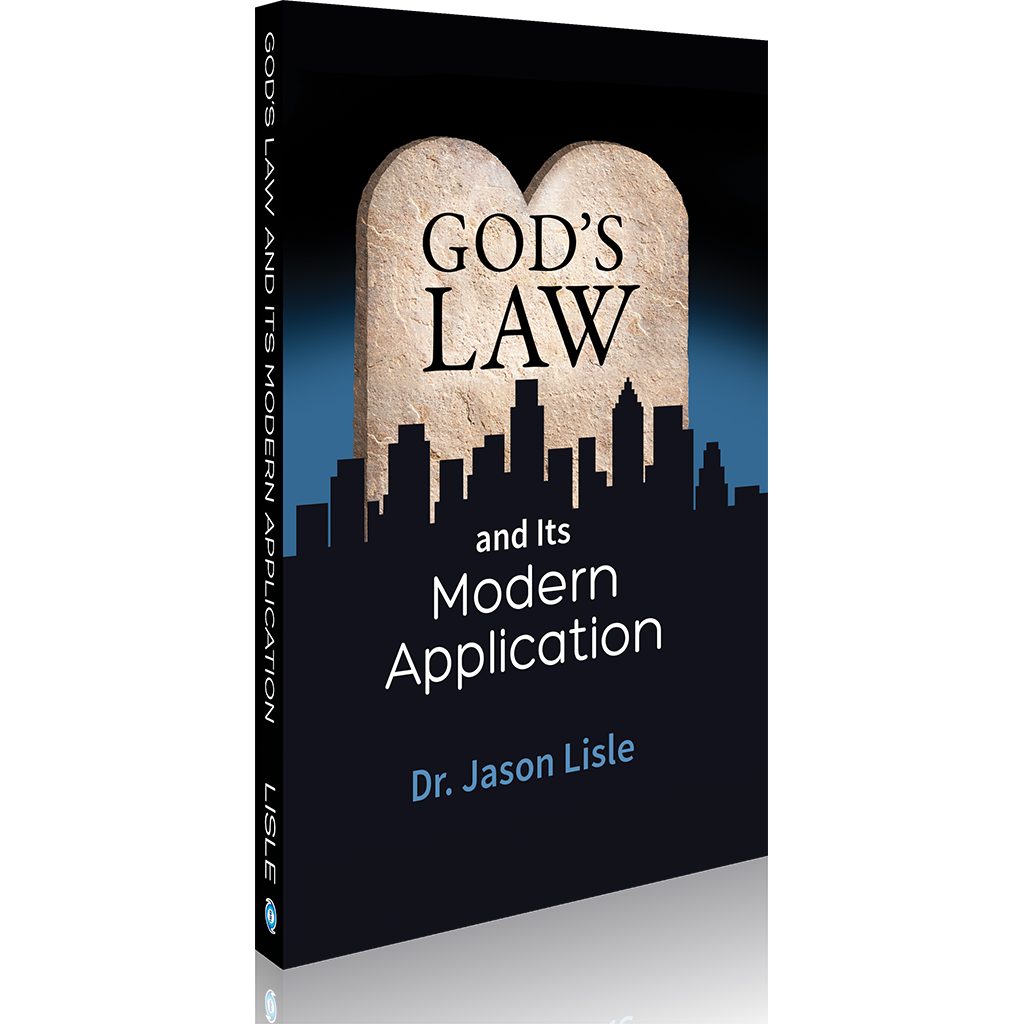
New Resource!
Forum

Ask questions in the online forum and have them answered by Dr. Jason Lisle and other Ph.D. scientists.
Partner

Article Archives

Live Events
October 4, Yonkers, NY
Calvary Chapel Grace & Truth
1373 Nepperhan Avenue
9:00 a.m. The Importance of Genesis
11:00 a.m. The Importance of Genesis
7:00 p.m. Science Confirms Biblical Creation
8:15 p.m. Q&A
October 18, Colorado Springs
Calvary Fellowship Fountain Valley
4945 Cable Lane
9:00 a.m. The Importance of Genesis
11:00 a.m. The Importance of Genesis
October 24, BC, Canada
Creation Science Association of British Columbia
Chandos Pattison Auditorium
10238 168 St., Surrey, BC V4N 1Z4
6:45 p.m. Discoveries of the James Webb Space Telescope
7:45 p.m. Astronomy Reveals Creation
9:00 p.m. Q & A
October 25, Bellingham, WA
Calvary Chapel Northwest
6015 Guide Meridian Rd.
9:00 a.m. How Did We Get the Bible?
11:00 a.m. How Did We Get the Bible?
November 13-14, Old Bridge, NJ
Calvary Chapel Old Bridge
123 White Oak Lane
November 15, Mechanicsburg, PA
Calvary Chapel Harrisburg
28 N. Locust Point Rd.
December 12-13, Castle Rock, CO
Calvary Castle Rock
1480 Canyon Dr.
Dec 12, 5:00 p.m. His Star
Dec 13, 8:30 a.m. His Star
Dec 13, 10:00 a.m. His Star
Subscribe to Newsletter